BACKEND SYSTEMS · DATA PRODUCTS · DESKTOP SOFTWARE
I design and build reliable software systems around real workflows.
My work spans Django backends, data-driven business applications, and Windows desktop software. I focus on clear domain models, practical automation, and engineering choices that can be tested, explained, and maintained.
SELECTED WORK · 2026
Selected projects
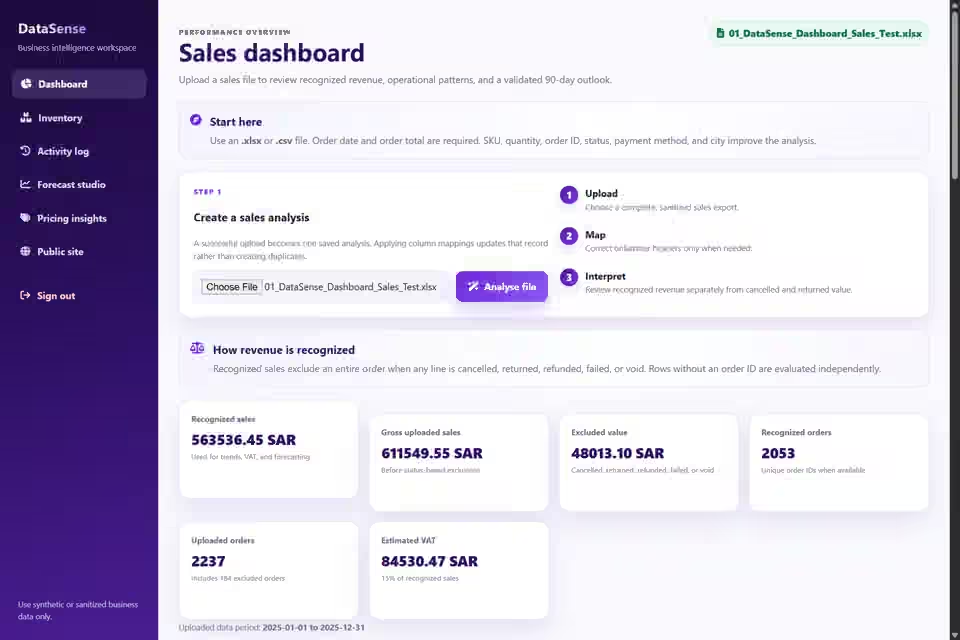
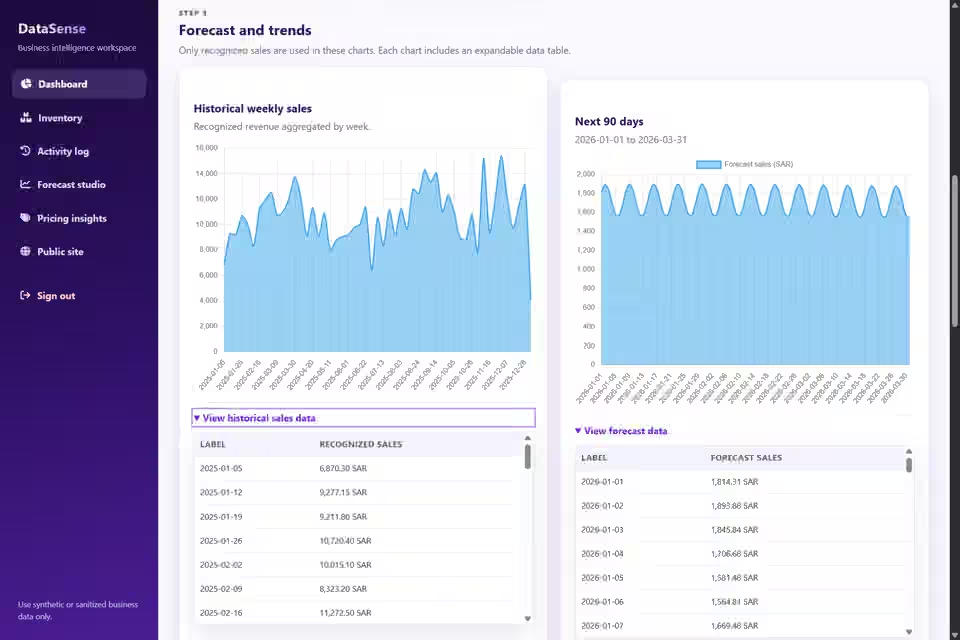
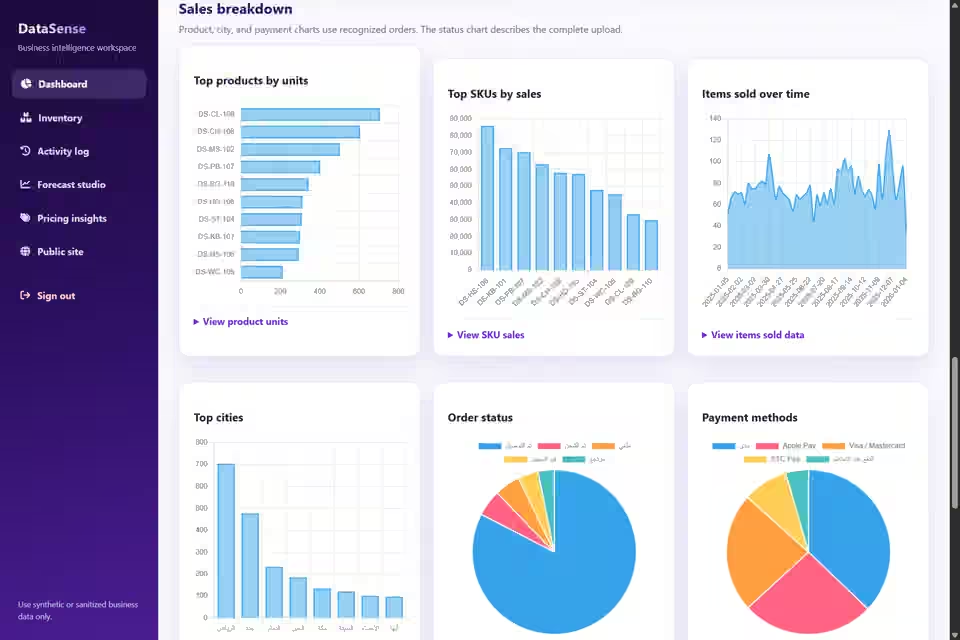
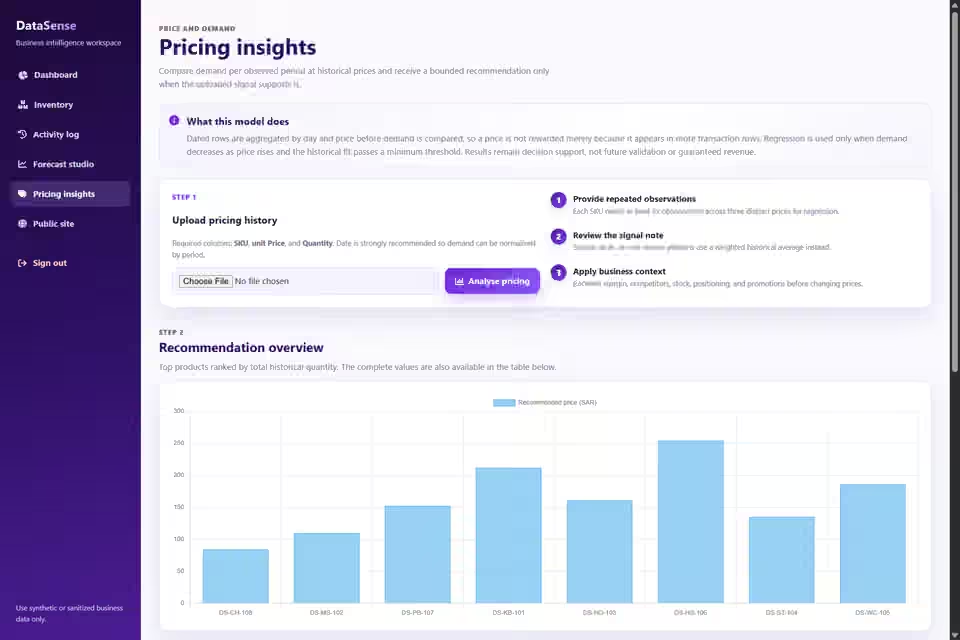
EXPERIENCE & EDUCATION
Practical experience and independent work built around real systems.
Software Development Co-op Trainee
Tahdir · Educational Technology
Contributed to Tahdir's bilingual Arabic–English web platform across requirements, Figma planning, Laravel development, database operations, authentication, testing, and collaborative delivery using GitHub, Jira, and ClickUp.
Independent Software Projects
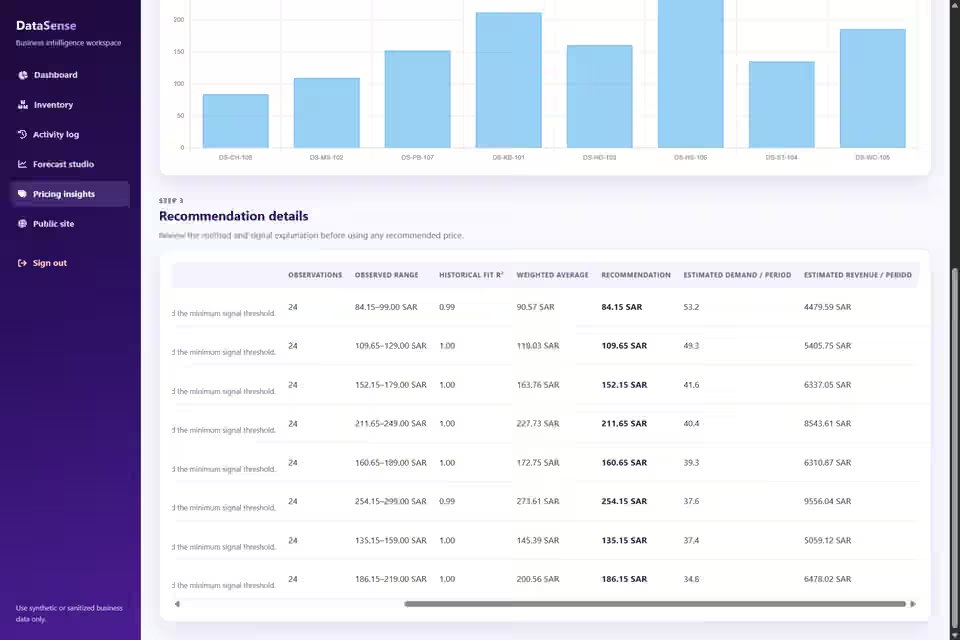
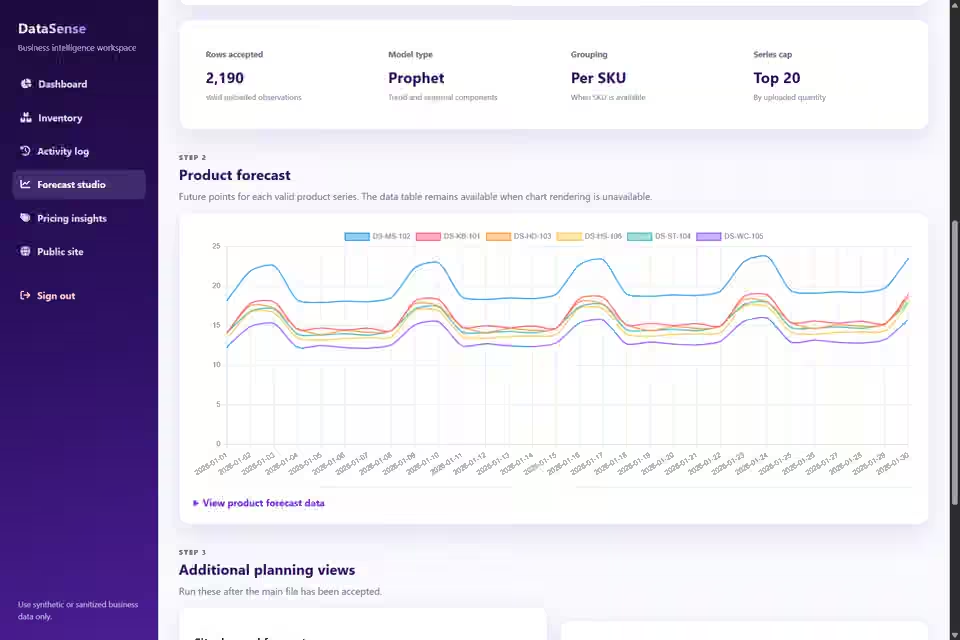
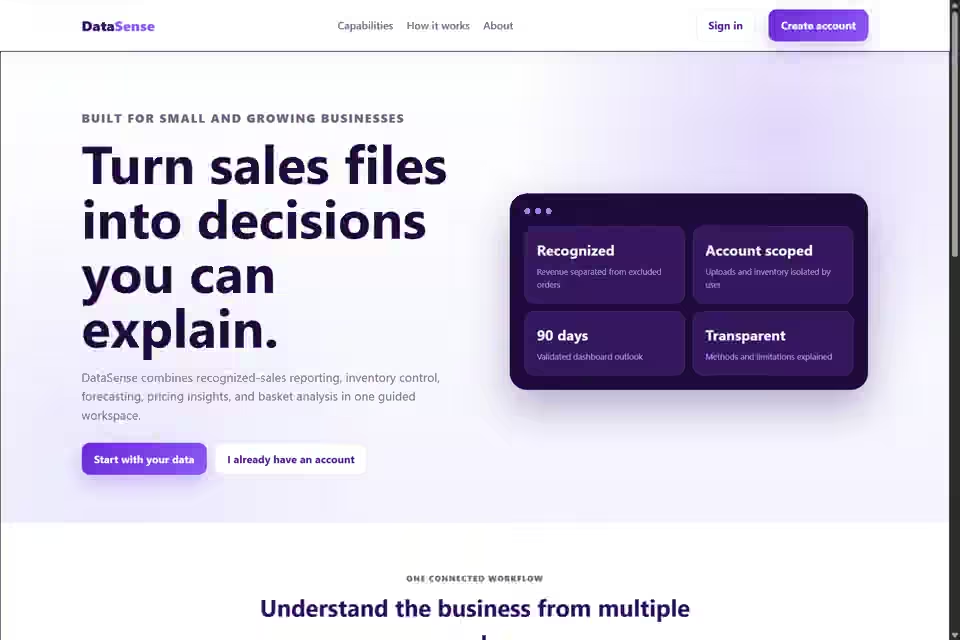
DataSense · DataQ Operations · DataQ Reporting · SAMT · Iffah
Designing, rebuilding, and validating software across Django business and operations systems, financial reporting, local-first Windows applications, data processing, analytics, and privacy-conscious intelligent systems.
Bachelor of Science in Computer Science
King Faisal University
Computer Science degree with project work spanning software engineering, web development, databases, data processing, analytics, and applied intelligent systems. Graduation project: DataSense.
A concise recruiter-facing view of my experience, education, technical skills, and selected work.
View full résuméTECHNICAL PROFILE
The tools I use to build, validate, and ship software systems.
Backend & Web
Data & Reporting
Desktop & Systems
Engineering & Delivery
ArabicNative
EnglishFluent
JapaneseConversational
ABOUT
I am most interested in the point where an unclear problem becomes a well-structured system.
I approach projects by first understanding the workflow, the data, the users, and the constraints. From there, I define the rules and boundaries before deciding how the system should be implemented.
ENGINEERING APPROACH
Structure the problem, make the rules explicit, then validate the result.
Understand the real workflow, users, data, constraints, and failure cases before choosing an implementation.
Keep business rules, permissions, assumptions, and system boundaries explicit so the software remains understandable as it grows.
Use tests, synthetic data, acceptance checks, and deployment gates to verify behaviour rather than relying on presentation alone.